Skip to content
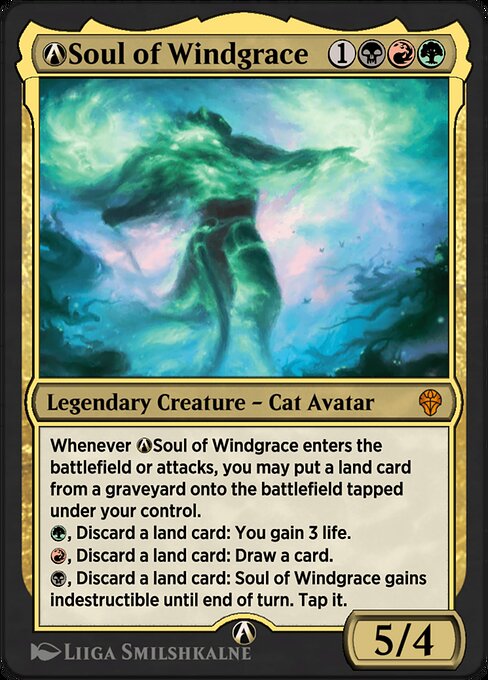
A-Soul of Windgrace
Art by Liiga Smilshkalne

Featured Deck · Thursday, July 2, 2026

A-Soul of Windgrace's Lands Matter Ramp & Recursion

A-Soul of Windgrace

1 manaBlackRedGreenLands Matter Ramp & Recursion
A-Soul of Windgrace

100 cardsWildcards13521915

Decklist

Deck Guide

Why Play This Deck

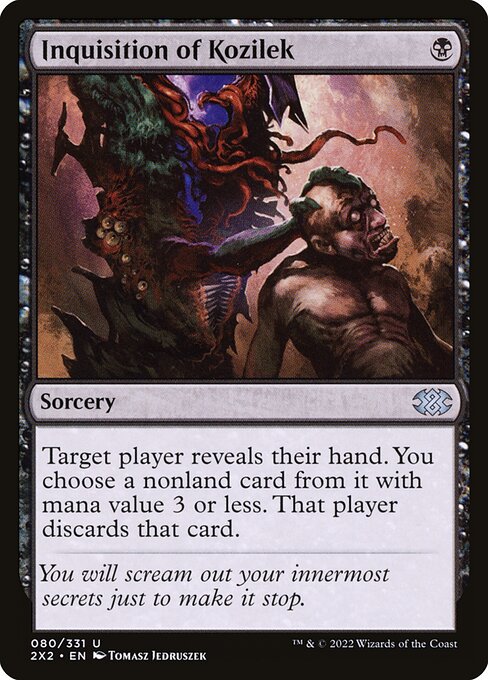
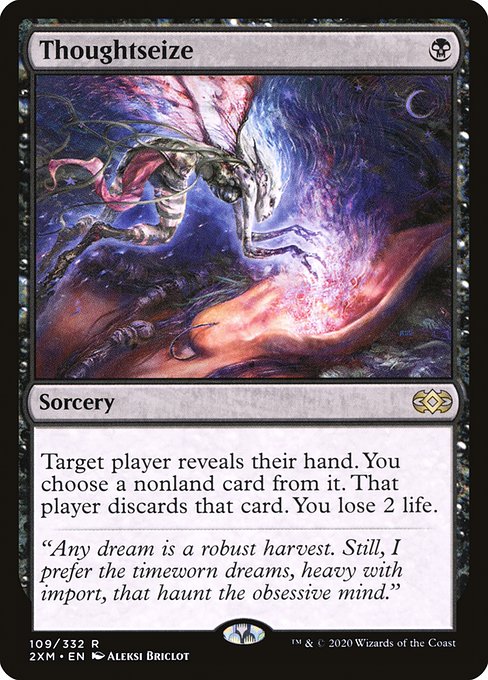
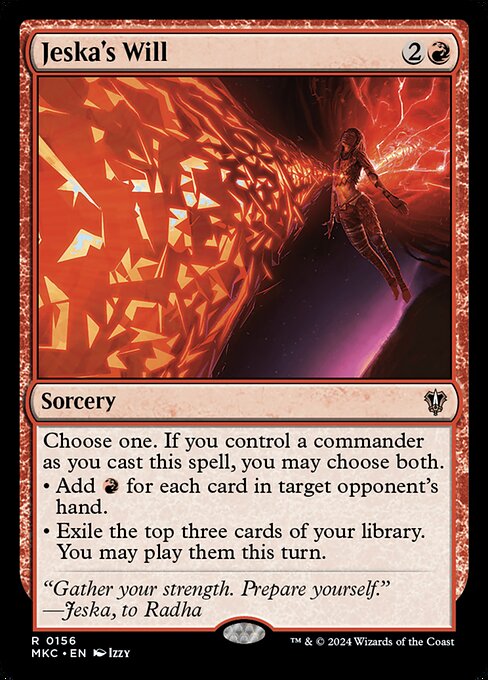
A-Soul of Windgrace is the most powerful lands-matter commander available in BGR Brawl. Every single ability rewards you for doing what this deck already wants to do — play lands, discard lands, and recur lands from graveyards. The {R} discard-a-land ability turns excess land draws into fresh cards, solving the classic lands-matter flood problem. The {B} indestructible ability protects your investment at instant speed. And the enter/attack trigger recurs lands from ANY graveyard, meaning your fetchland cracks, your opponents' destroyed lands, and your own discarded lands all become free land drops. The color combination gives you the best ramp in Green, the best disruption in Black (Thoughtseize, Inquisition, Liliana), and Red's explosive burst spells like Jeska's Will. The result is a deck that plays a proactive, snowballing game plan backed by a robust interactive suite — exactly what competitive Brawl demands.

Play Summary

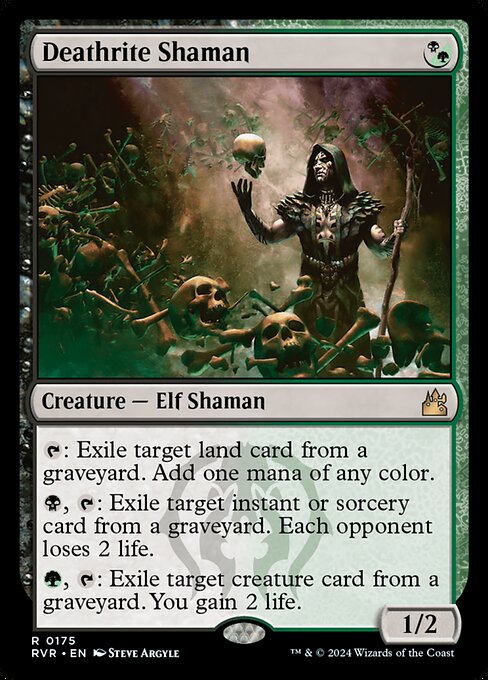
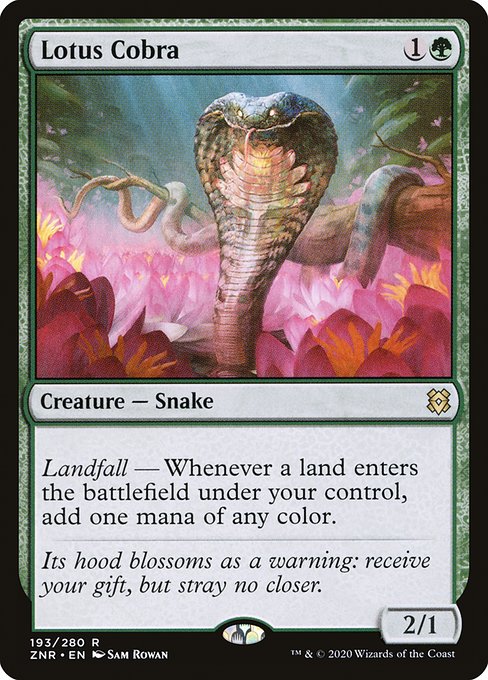
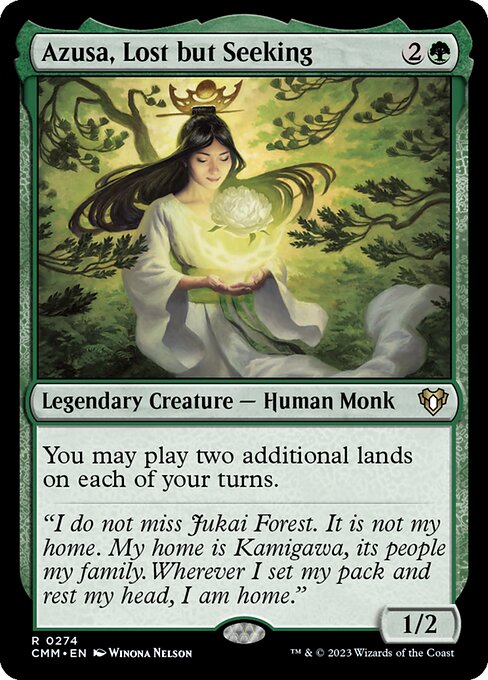
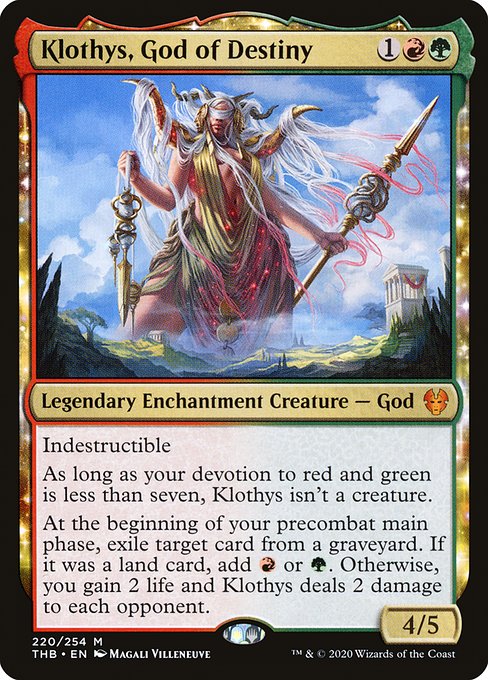
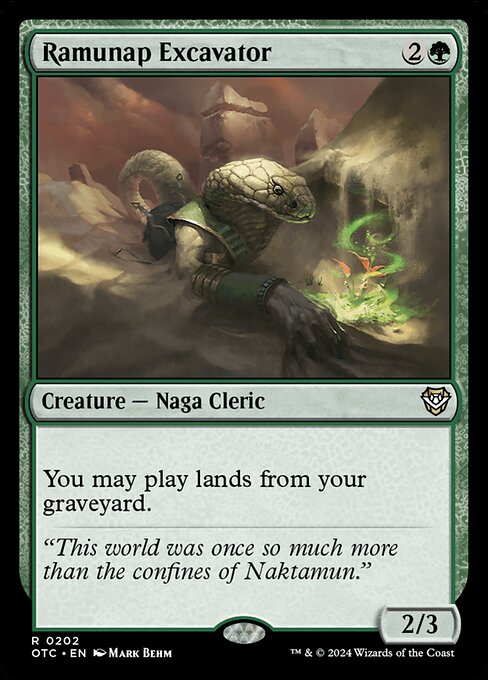
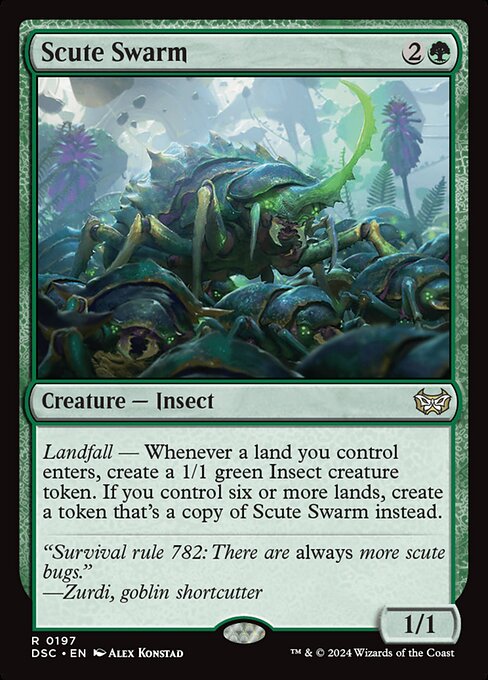
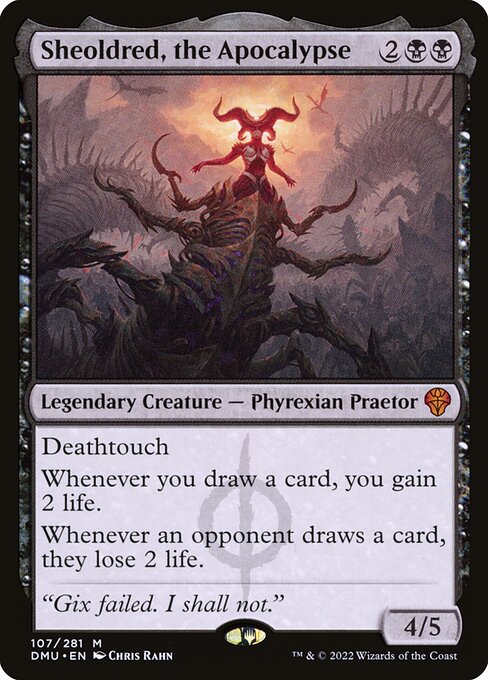
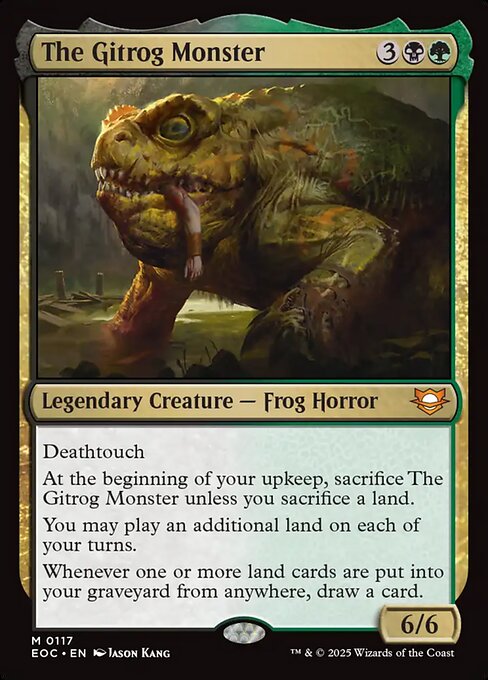
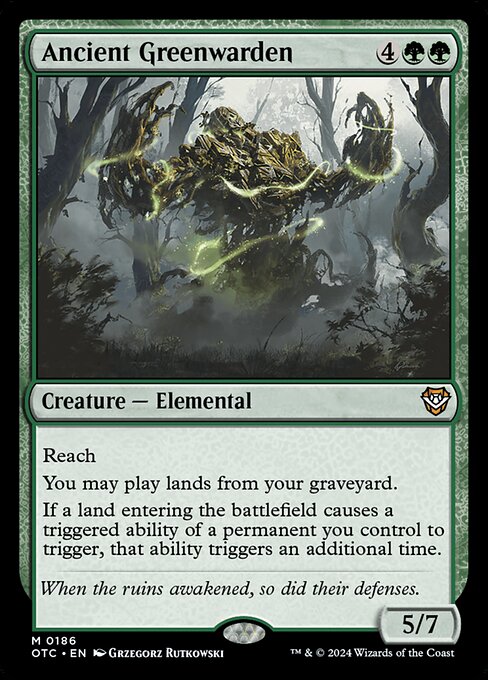
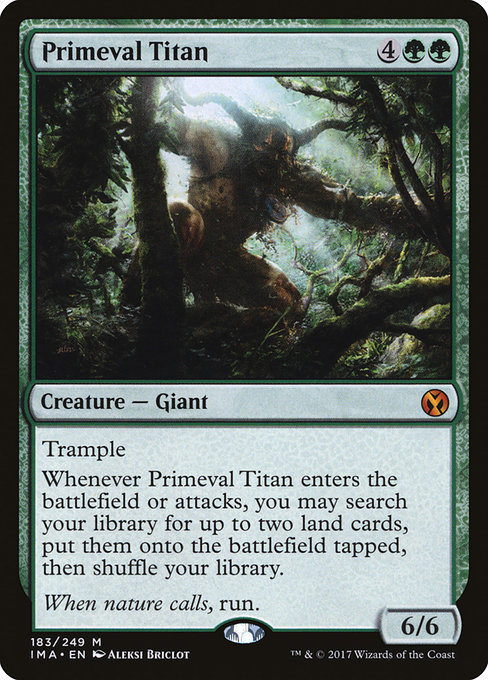
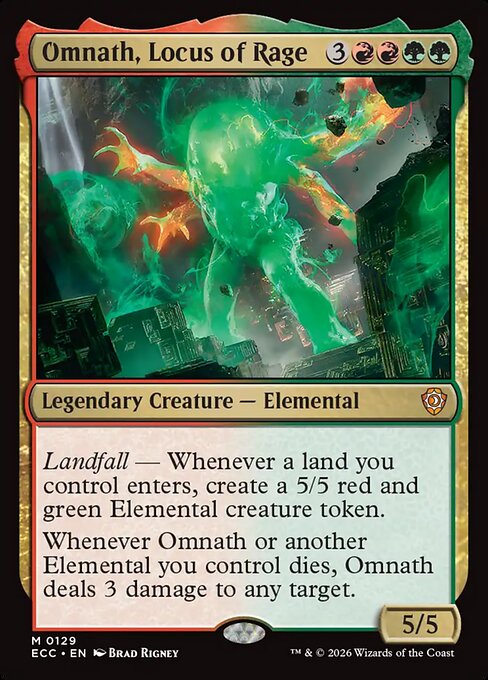
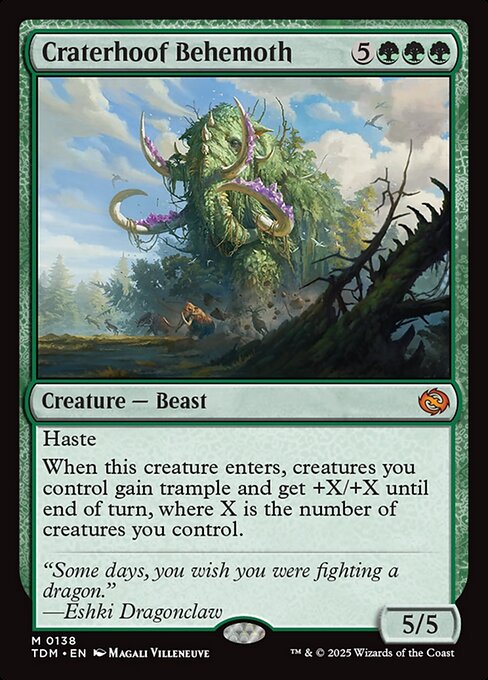
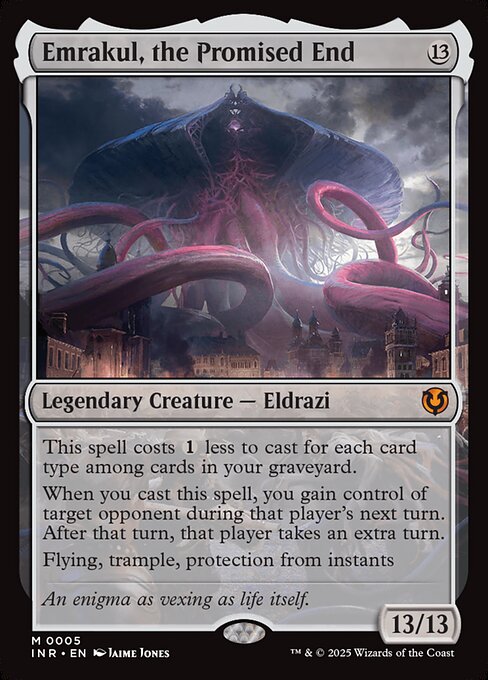
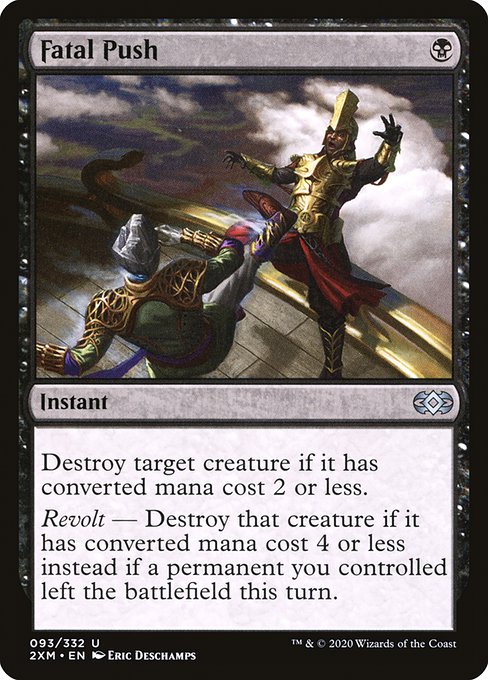
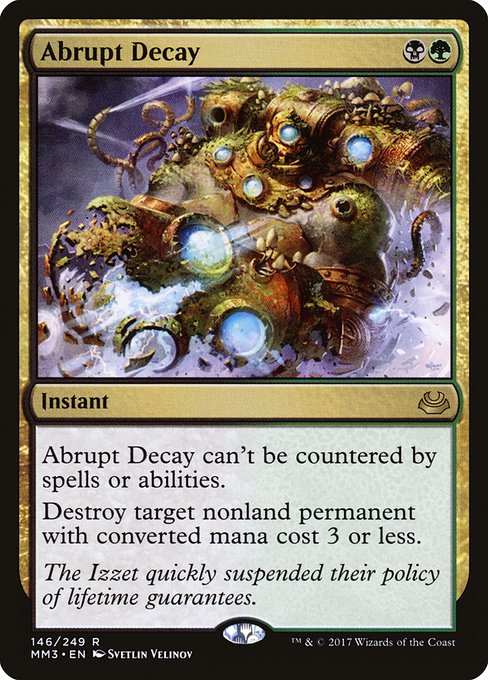
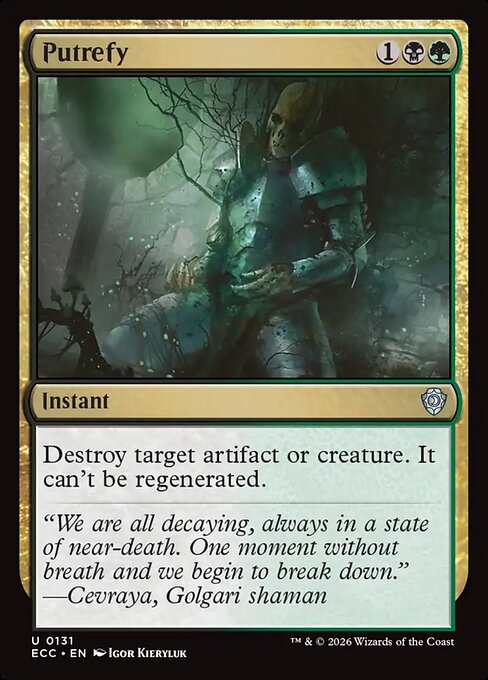
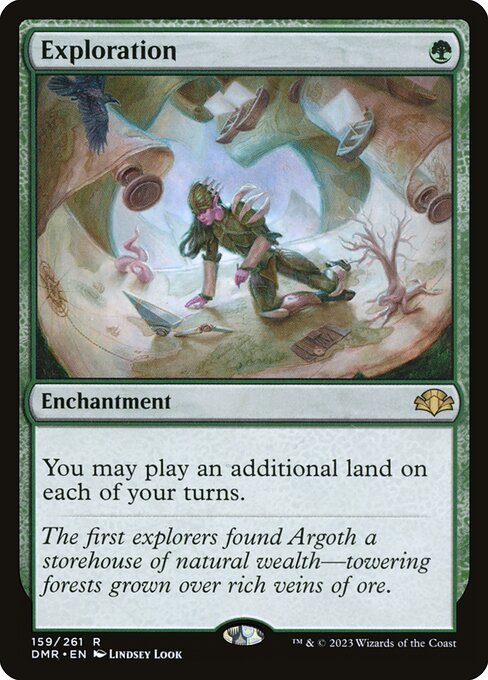
The deck operates across three distinct phases. In the early game (turns 1–3), the priority is deploying mana acceleration and hand disruption. Deathrite Shaman, Lotus Cobra, and Arcane Signet accelerate into the commander, while Thoughtseize and Inquisition of Kozilek strip the opponent's best answer before you commit to the board. Exploration and Azusa come down early to enable multiple land drops per turn, setting up the landfall engine before Soul of Windgrace even arrives. In the mid game (turns 4–6), Soul of Windgrace takes over. Attack every turn to recur lands — prioritize fetchlands so they can be cracked again immediately with Crucible of Worlds or Ramunap Excavator. Use the {R} discard ability to cycle surplus lands into action, and hold up instant-speed removal (Fatal Push, Terminate, Abrupt Decay) to answer threats. Tireless Tracker and The Gitrog Monster convert every land drop into card advantage, keeping your hand full. Scute Swarm and Omnath, Locus of Rage begin generating board presence that compounds with every subsequent land drop. In the late game (turns 7+), the deck closes quickly. Ancient Greenwarden doubles all landfall triggers, turning each land drop into an exponential board event. Primeval Titan fetches the final utility lands needed. Craterhoof Behemoth ends the game in a single combat step. Emrakul, the Promised End is the ultimate insurance policy — cast it cheaply off a full graveyard, take your opponent's turn, and use their resources to seal the win.

Key Synergies

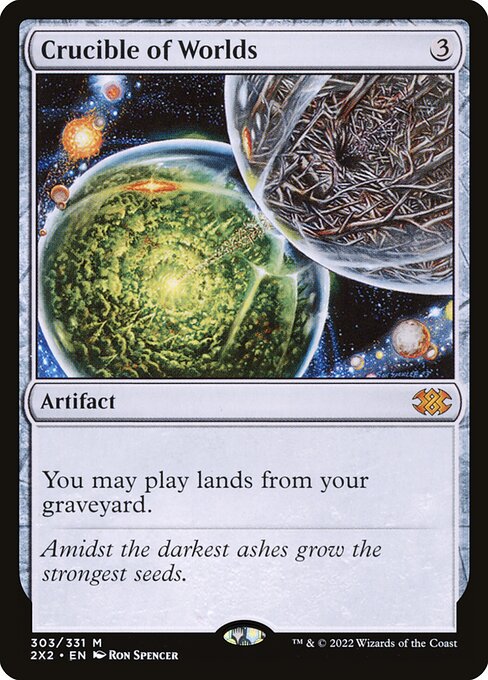
This is the deck's core recursive engine. Soul's enter/attack trigger puts lands from any graveyard onto the battlefield tapped. Crucible of Worlds and Ramunap Excavator let you play lands from your own graveyard on your turn. Conduit of Worlds extends this further by letting you play any permanent from your graveyard once per turn. Together, fetchlands become infinitely reusable: crack a fetch, Soul recurs it at end of opponent's turn, crack it again on your turn. Every land that hits the graveyard — through discard, sacrifice, or mill — immediately becomes a free land drop.

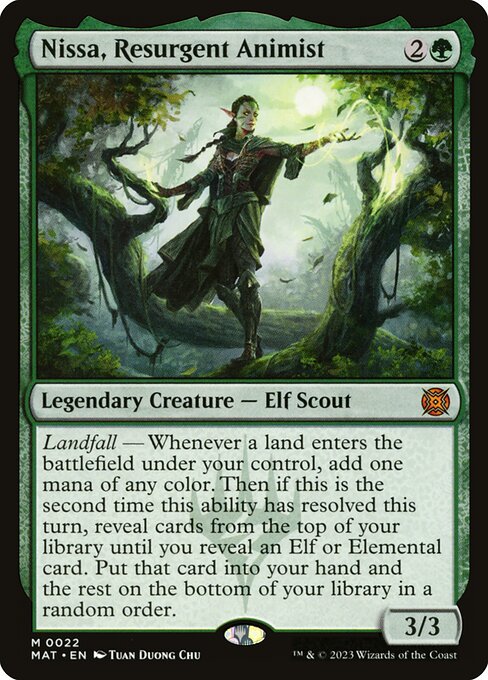
Ancient Greenwarden doubles every landfall trigger on permanents you control. With Scute Swarm on board, each land drop after six lands creates two copies of Scute Swarm instead of one — exponential growth within a single turn cycle. Omnath simultaneously creates two 5/5 Elementals per land drop with Greenwarden out, and each Elemental deals 3 damage when it dies. Lotus Cobra generates two mana per land drop in this state, effectively making every land free and funding the recursive engine simultaneously. A single turn with all four pieces in play can create an insurmountable board.

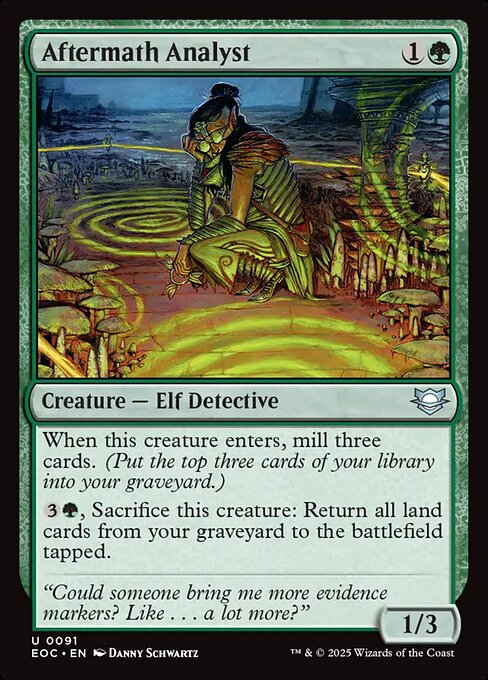
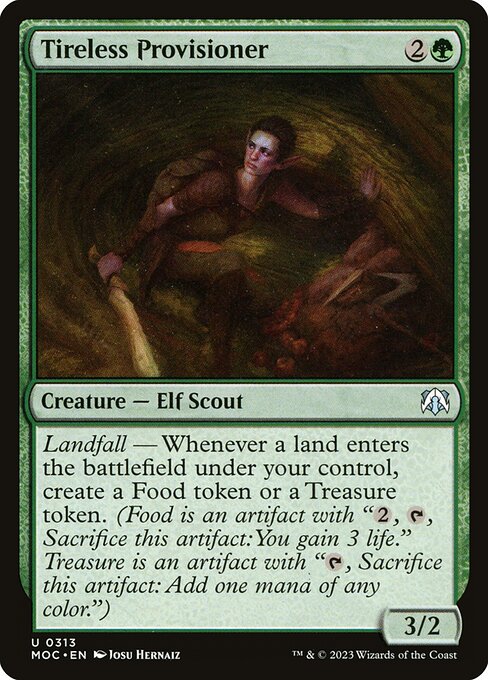
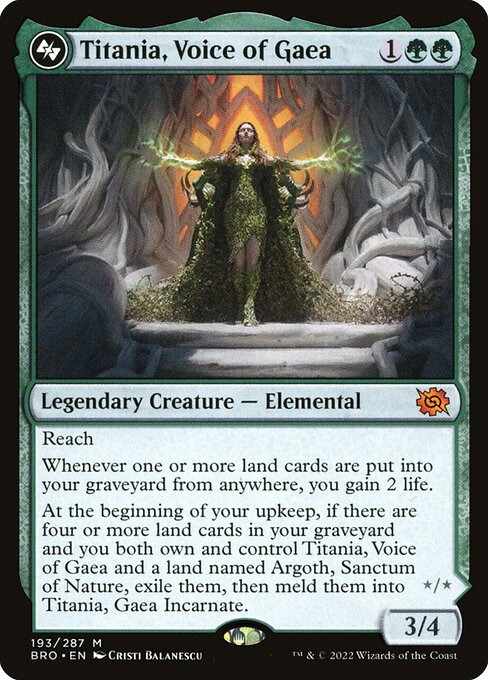
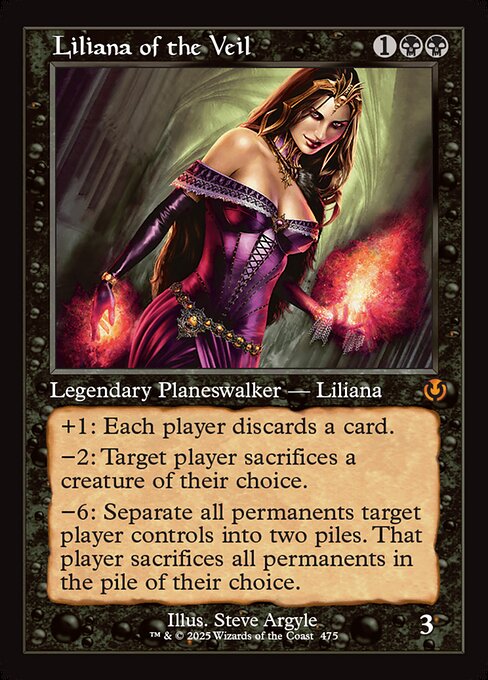
Gitrog Monster draws a card whenever a land enters any graveyard — including your own discard triggers from Soul and Liliana. Bloodghast returns from the graveyard for free whenever a land enters the battlefield, providing a recurring threat that dodges most removal. Aftermath Analyst mills three cards on entry, then can sacrifice itself to return all lands from your graveyard to the battlefield at once — a massive landfall trigger chain that draws a fistful of cards off Gitrog. Liliana of the Veil's discard ability feeds both Gitrog (discard lands for card draw) and Bloodghast (lands entering the battlefield return it), turning a symmetrical effect into a one-sided advantage engine.

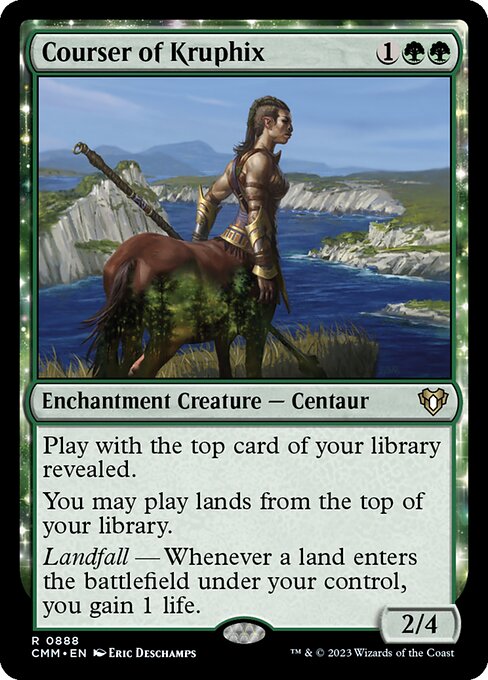
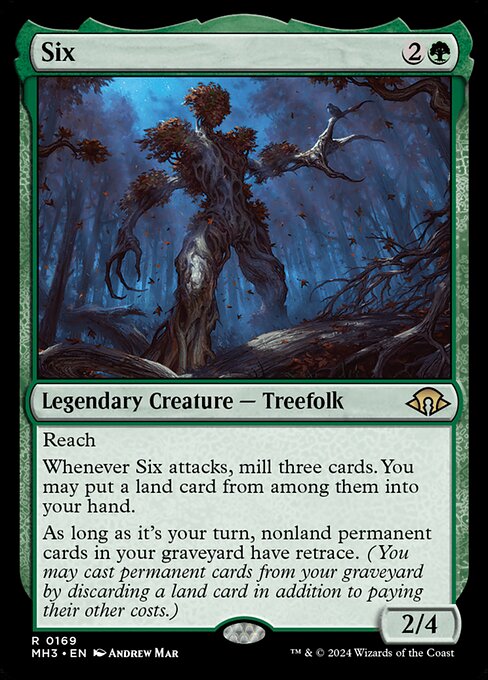
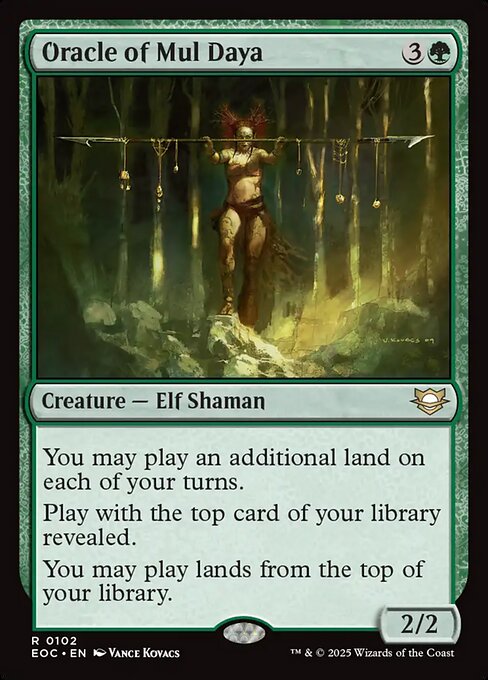
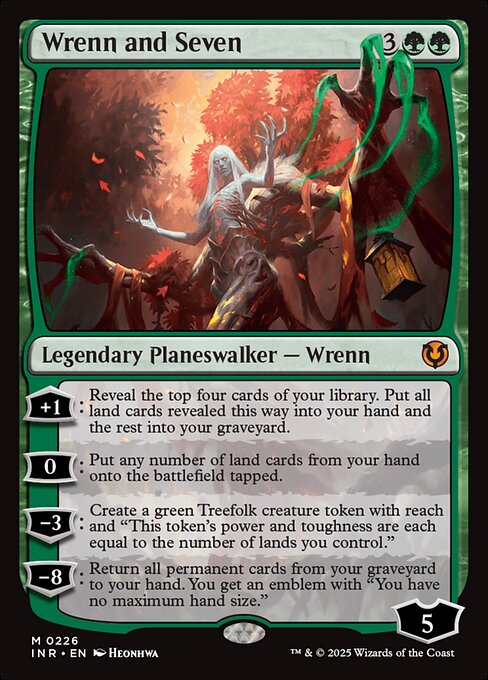
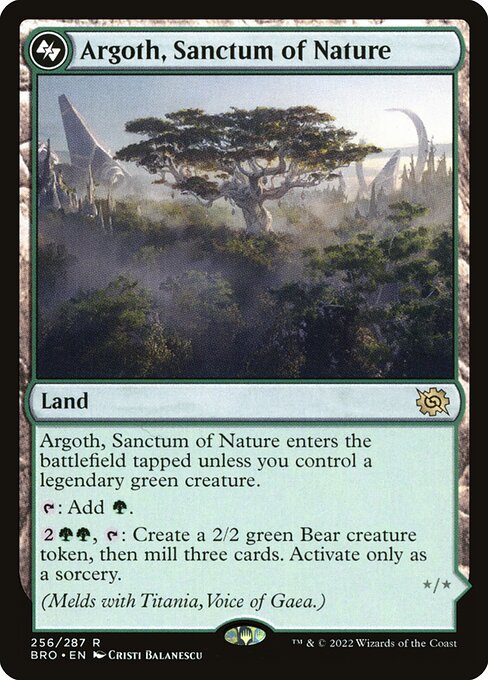
These four cards collectively ensure you never run out of lands to play or discard. Wrenn and Seven's +1 fills your hand with lands from the top of your library, and the ultimate creates a 0/7 Treefolk with reach that blocks early aggression. Six mills lands directly into your hand on attack and gives all nonland permanents in your graveyard retrace — letting you recast them by discarding a land, which itself triggers Gitrog and Soul. Oracle of Mul Daya and Courser of Kruphix both play lands off the top of your library, effectively giving you extra card draw while thinning your deck. Together these four guarantee you always have fuel for Soul's {R} discard-draw ability and always have lands to play.

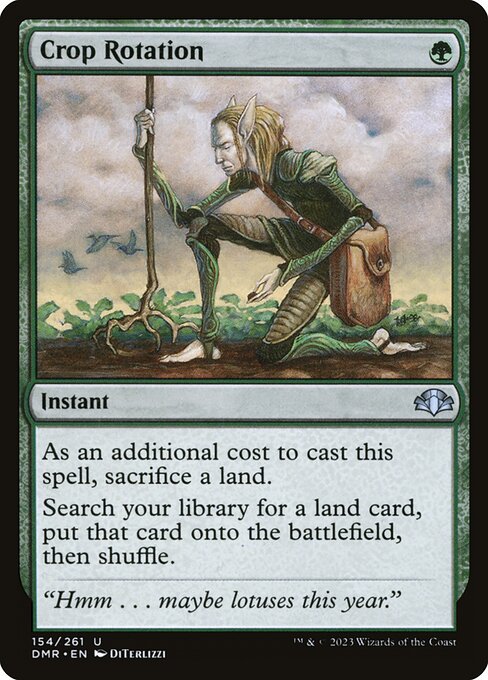
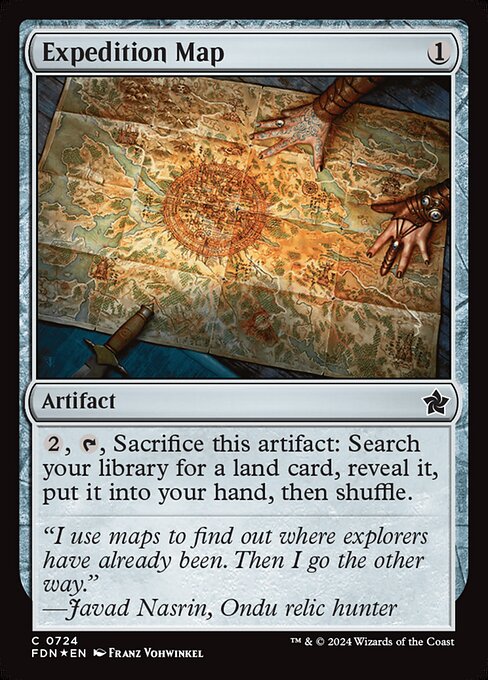
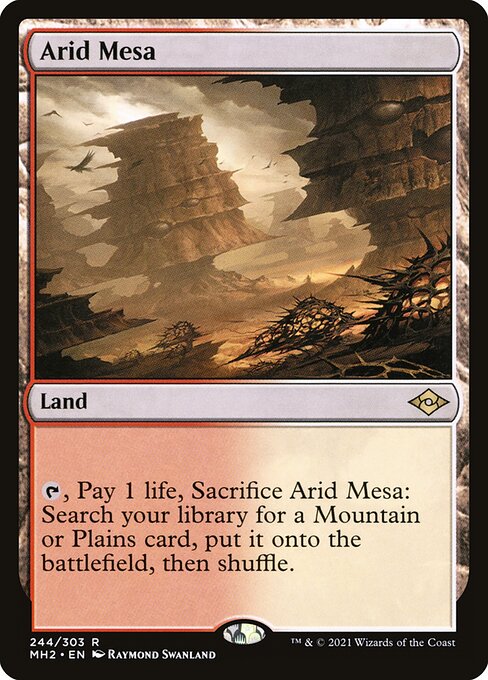
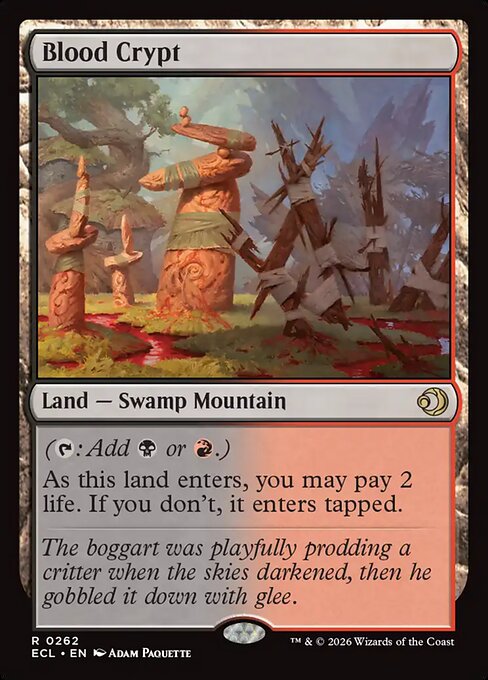
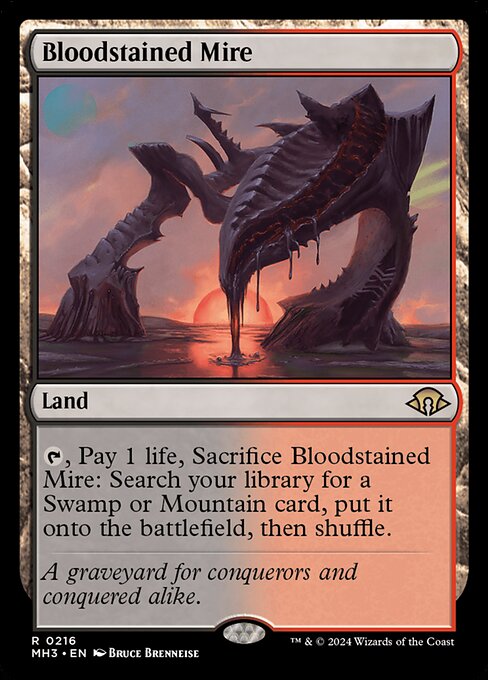
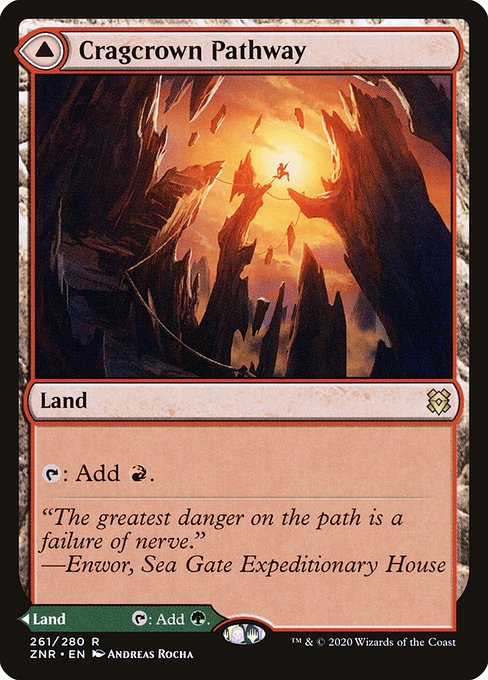
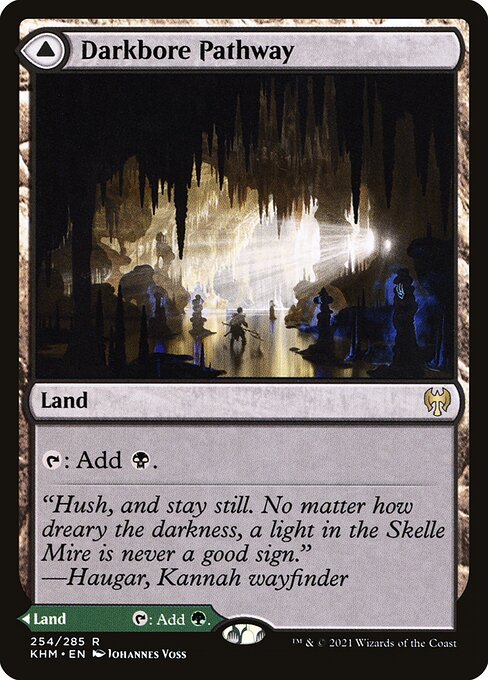
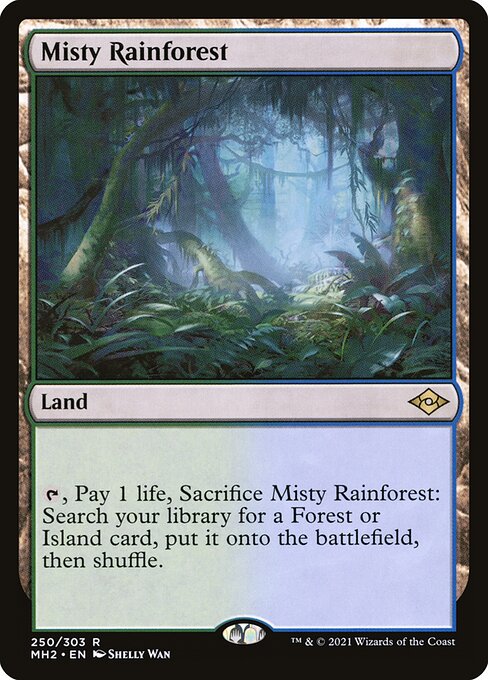
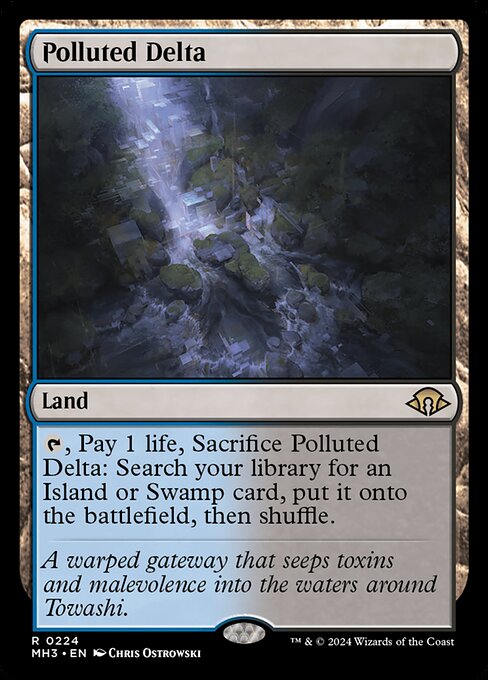
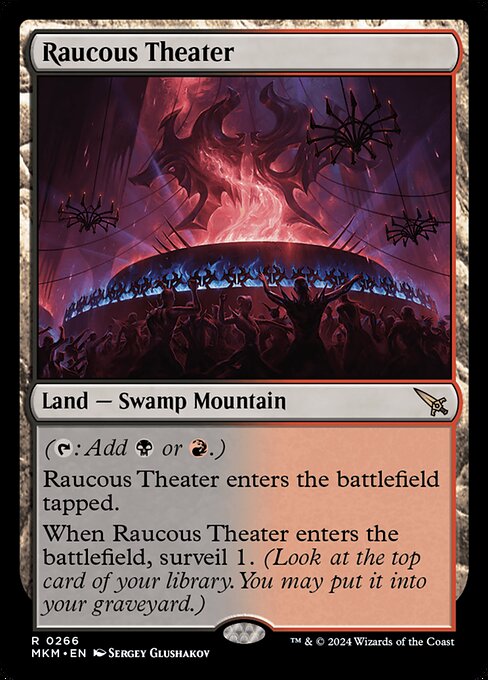
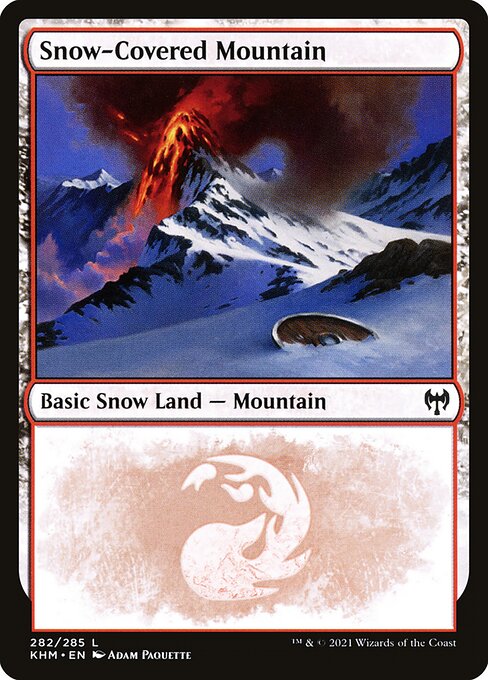
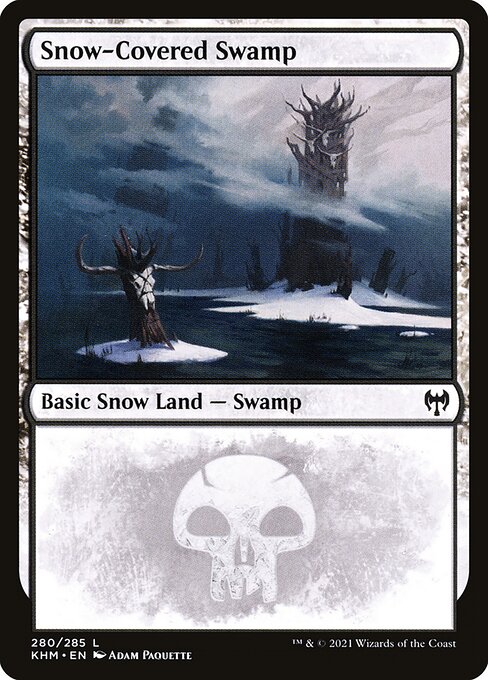
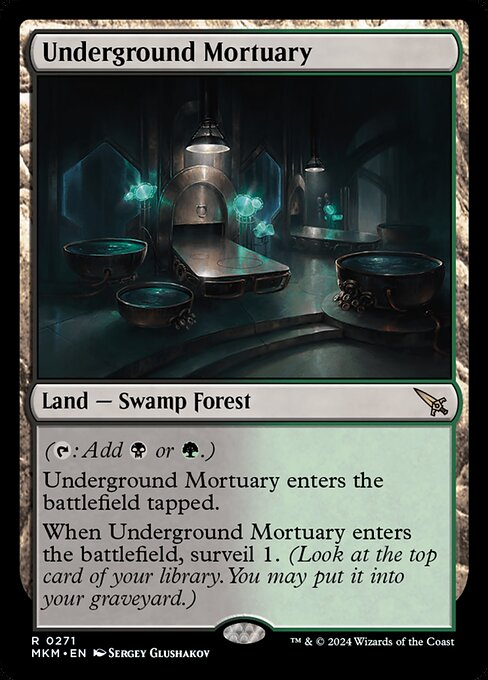
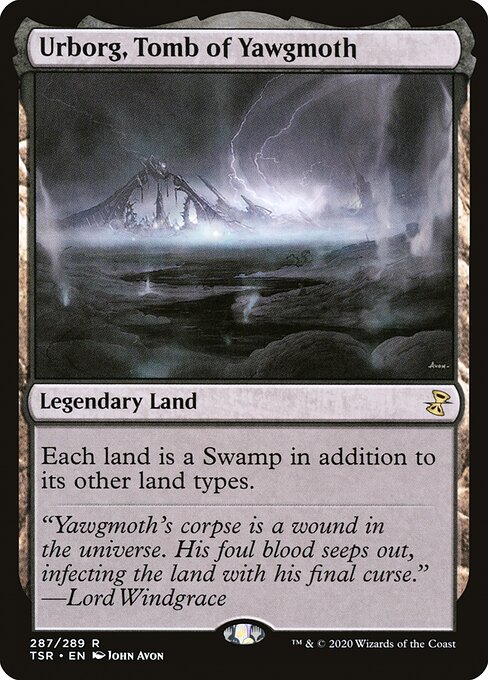
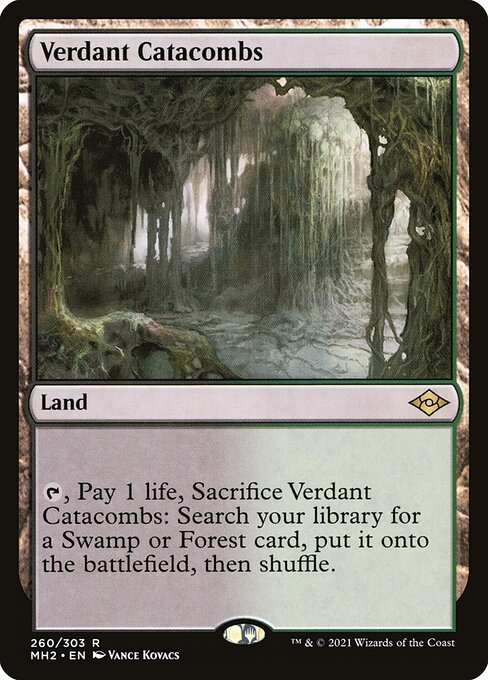
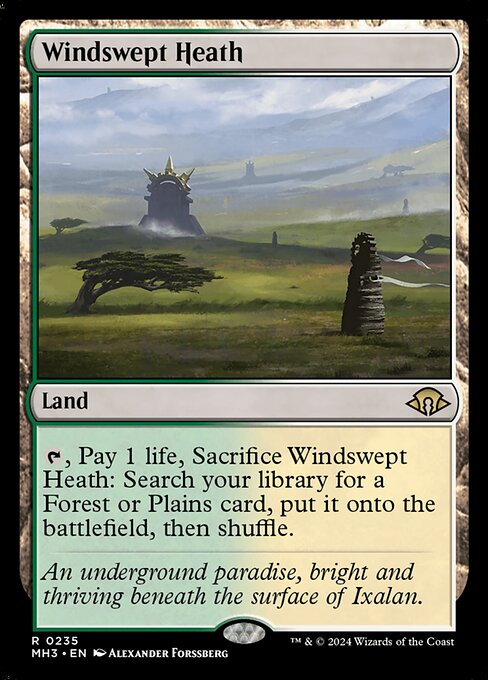
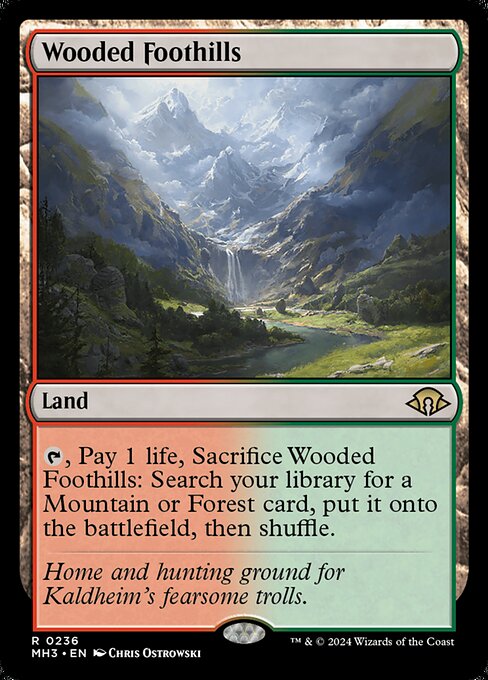
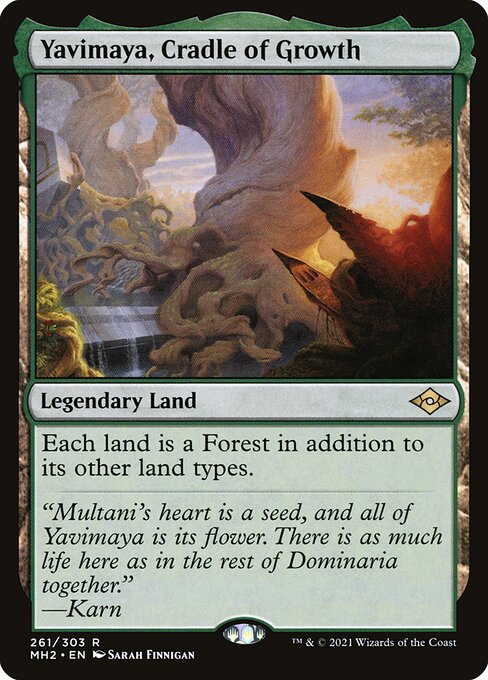
Expedition Map tutors any land directly to hand, most commonly fetching Yavimaya or Urborg to fix the mana base, or Bojuka Bog as a silver bullet against graveyard strategies. Crop Rotation is an instant-speed land tutor that also triggers landfall — sacrifice a basic, find Bojuka Bog in response to an opponent's reanimation spell, or find Yavimaya to make all your fetchlands suddenly able to find any basic type. Yavimaya makes all lands Forests, enabling Verdant Catacombs and Windswept Heath to search for any land in your deck. Urborg makes all lands Swamps, enabling Bloodstained Mire and Polluted Delta to do the same. These two legendary lands together with a full fetchland suite create near-perfect mana consistency across a 99-card singleton deck.

Opening Hand

The ideal opening hand contains 3 lands (including at least one fetchland or dual), one piece of early acceleration (Deathrite Shaman, Lotus Cobra, Arcane Signet, or Exploration), and one piece of hand disruption (Thoughtseize or Inquisition of Kozilek). You want to cast Soul of Windgrace on turn 3 or 4 and immediately begin attacking to recur lands. Hands with Lotus Cobra plus a fetchland are the most explosive openers — crack the fetch on your turn to generate mana and trigger landfall, then recur the fetch with Crucible next turn and crack it again. Thoughtseize or Inquisition in the opener is always correct: identify the opponent's game plan and strip their best answer before you commit your resources. Azusa or Exploration in the opener alongside 3+ lands is a keep regardless of the rest — getting to five or six lands by turn 3 puts you so far ahead that the rest of the hand barely matters. Hard mulligan any hand with fewer than 2 lands, any hand with no acceleration and no disruption, or any hand that is purely reactive with no way to develop the board. In a 99-card singleton format, a 6-card hand with the right pieces consistently outperforms a 7-card hand that does nothing until turn 4.

Mana Curve

0
9
1
15
2
24
3
5
4
2
5
4
6
3
7+

62non-land cards · mana value distribution